Histotripsy Neuro Program
Pioneering Transcranial Ultrasound Solutions for Brain Diseases & Neurological Disorders
Neuro Program Overview
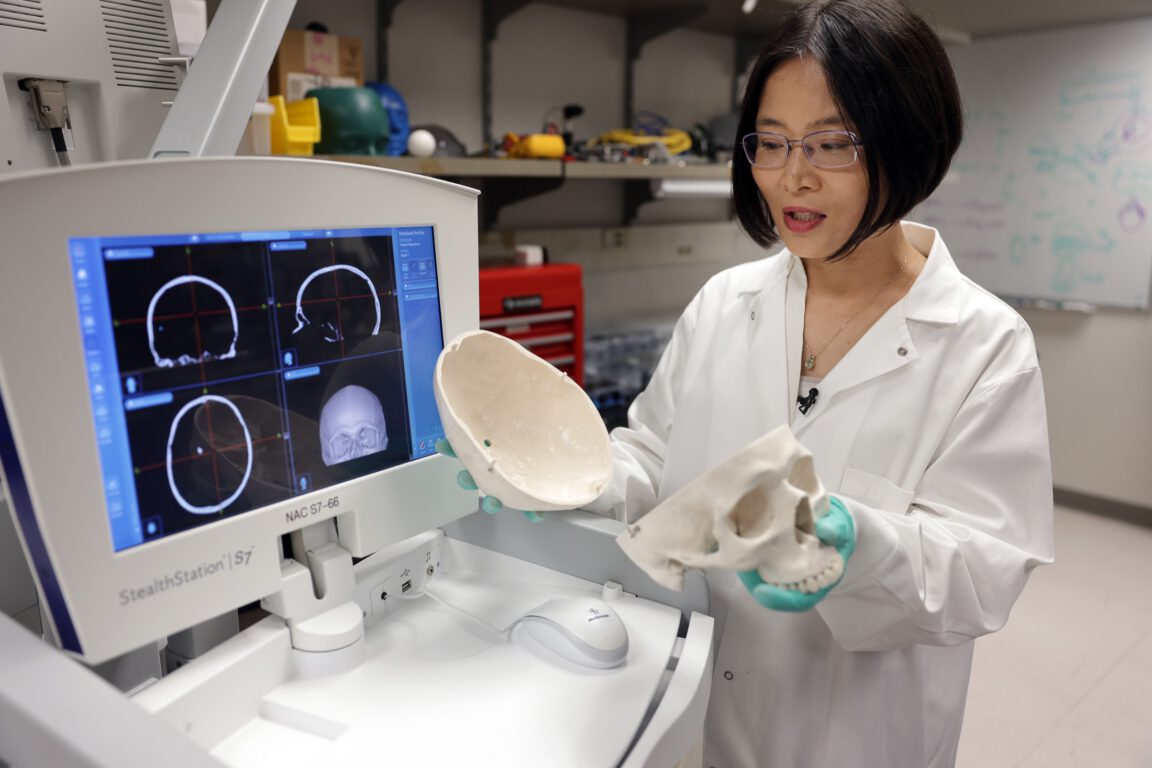
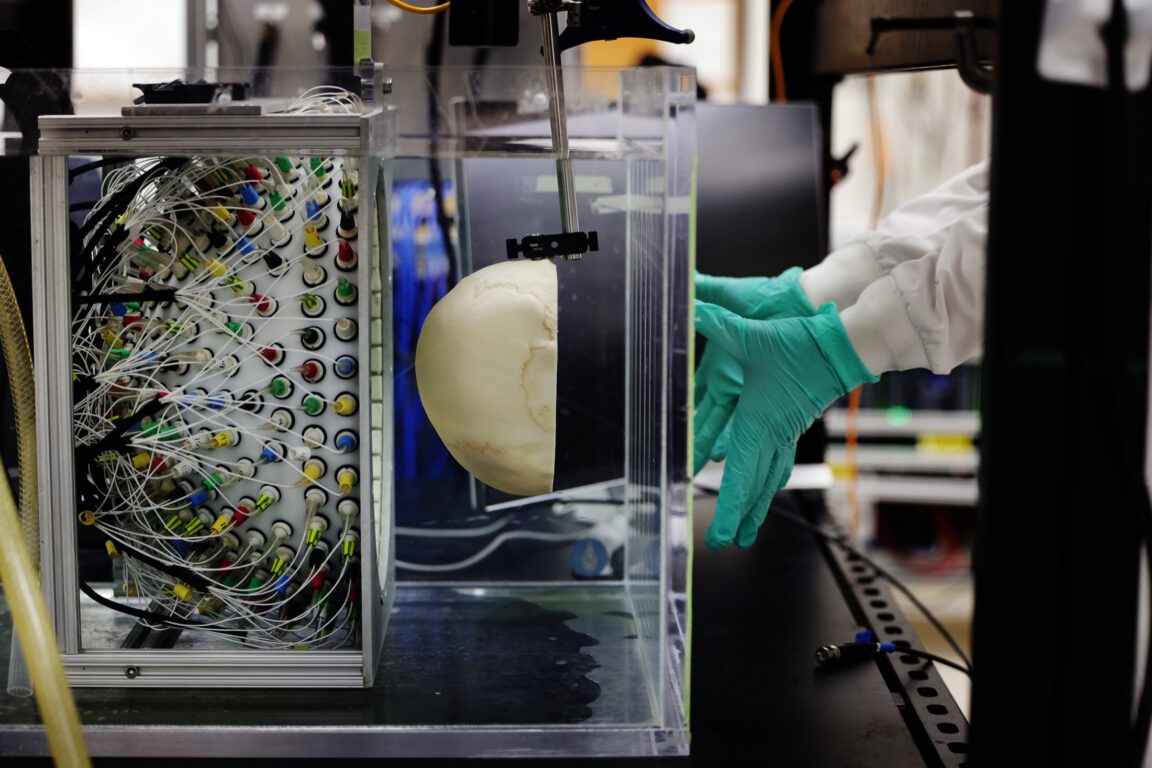
The Histotripsy Neuro Program leads fundamental, preclinical, and clinical research on transcranial histotripsy for treating complex brain diseases. Our team has demonstrated that focused ultrasound can be delivered non-invasively through the human skull to treat target tissues throughout the brain without causing skull overheating.
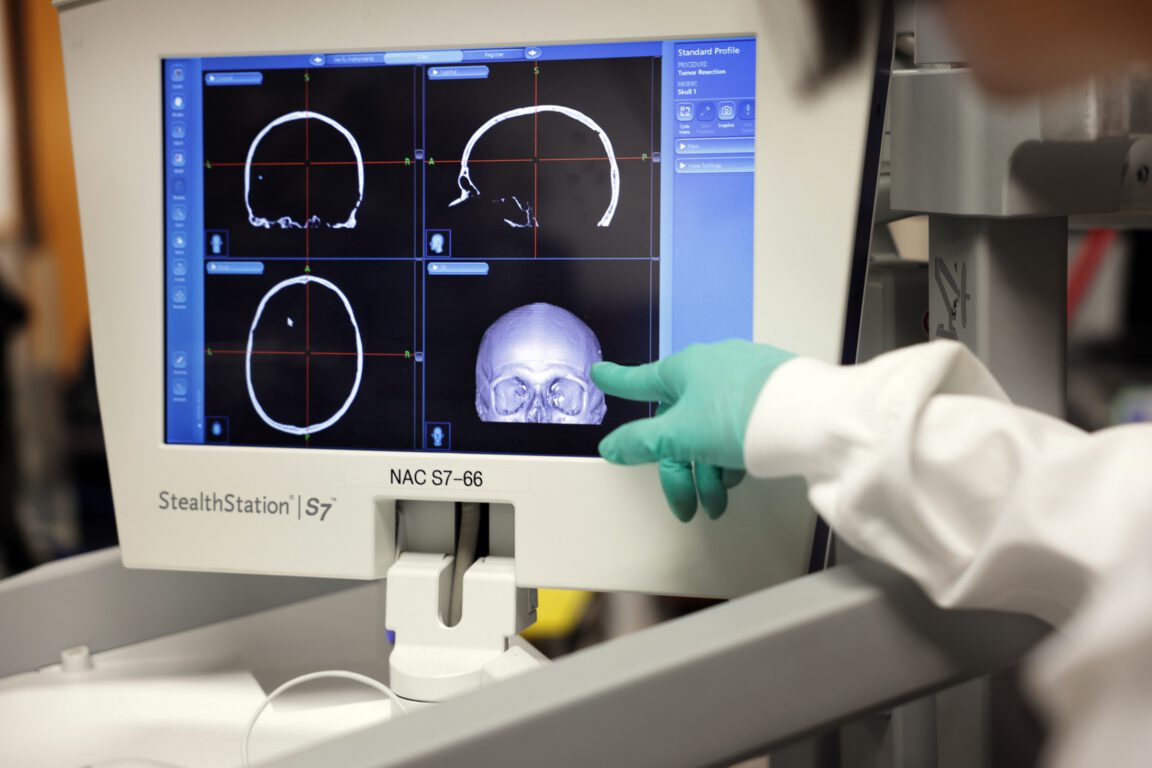
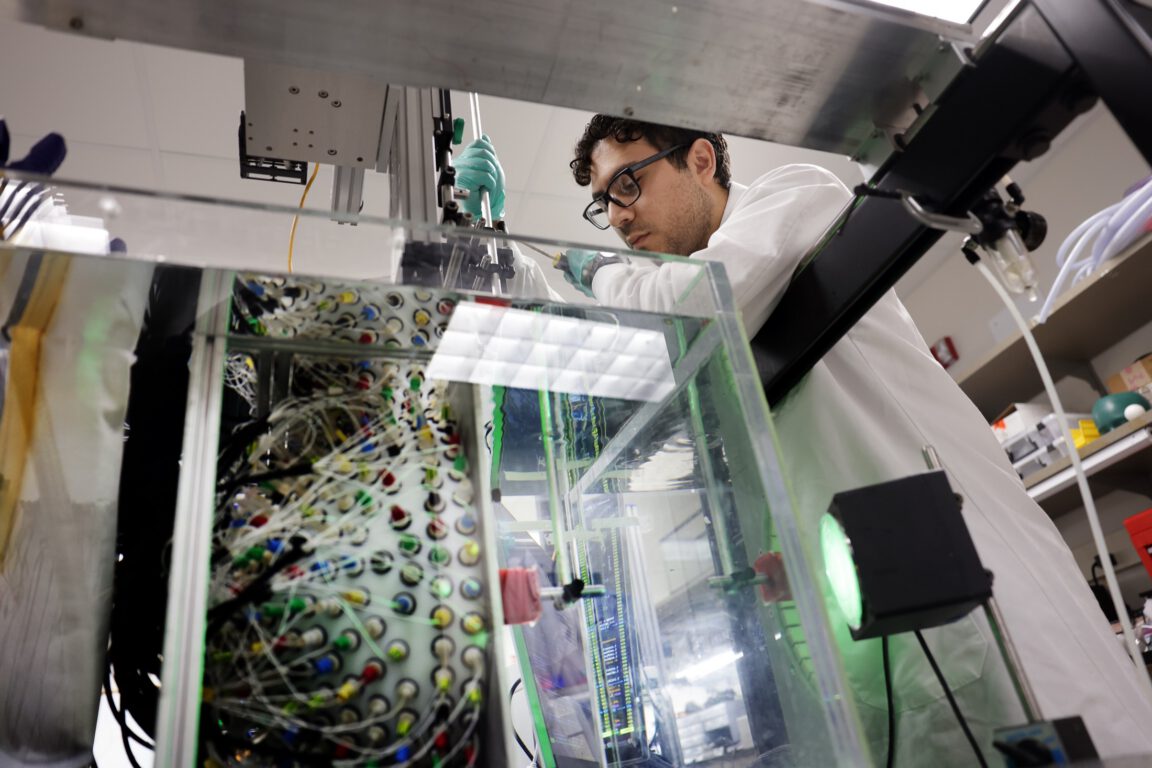
To drive this research, we designed and constructed custom human-scale and mouse-scale transcranial systems guided by real-time MRI or neuro-navigation. Additionally, we developed a multi-modal “All-in-One” Transcranial Focused Ultrasound (FUS) System. This setup generates high-pressure, microsecond-length pulses for mechanical histotripsy alongside lower-pressure pulses for neuromodulation, blood-brain barrier opening (BBBO), sonodynamic therapy, and sonogenetics
Key Clinical Benefits of Histotripsy
Transcranial Aberration Correction:
Advanced phase/amplitude correction algorithms that focus ultrasound energy precisely through the varying thickness and density of the skull.
Non-Thermal Precision:
Precise mechanical breakdown of diseased tissue without thermal accumulation or heat-related injury to adjacent healthy brain tissue.
Broad Treatment Envelope and Volume:
Reaches wider spatial locations (deep and shallow) across the brain and enables treatment of a volume target (e.g., a tumor volume) compared to conventional thermal ultrasound techniques.
Extensive Preclinical Validation:
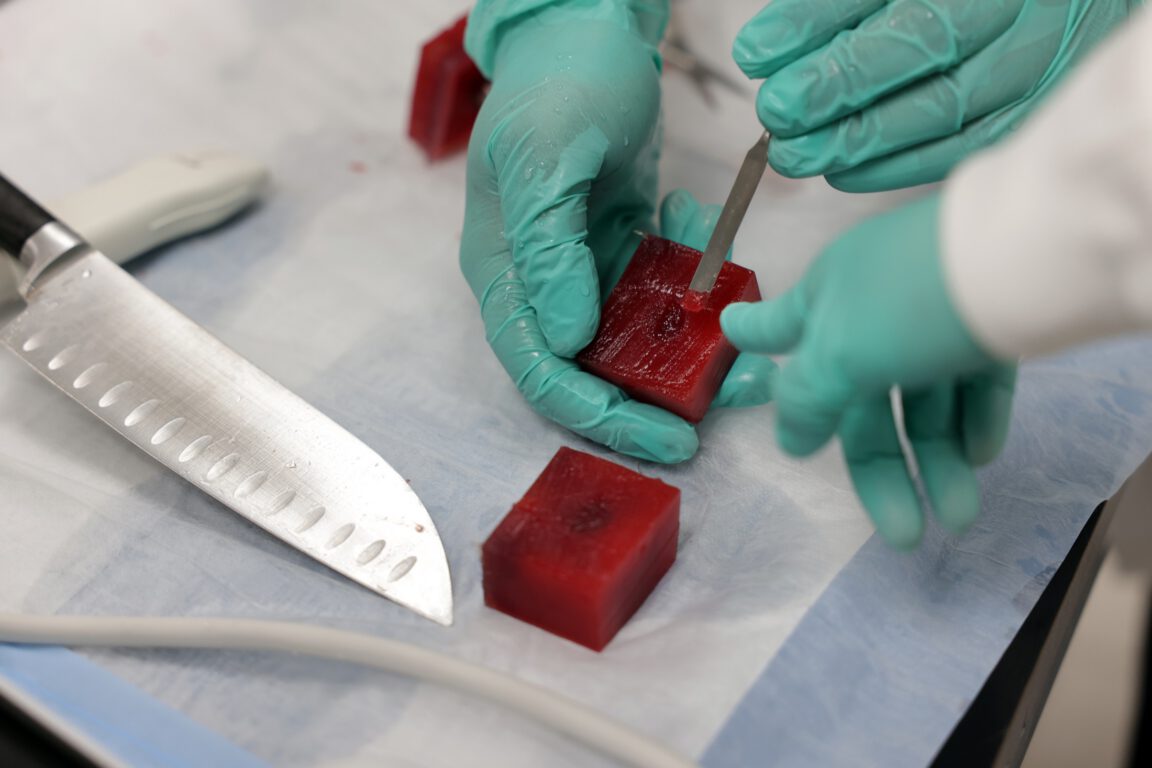
Proven safety and efficacy across ex vivo tissue, rodent and large-animal models, and human cadaver studies.
Research Objectives at Histotripsy Center
Minimally Invasive Treatment of Hemorrhagic Stroke +
Intracerebral hemorrhage (ICH) is caused by blood clot formation from vessel disrupture in the brain and carries high rates of morbidity and mortality, with standard treatment such as craniotomy surgeries and large-port surgical catheters posing significant risks of brain tissue damage and rebleeding.
-
The Histotripsy Approach:
Histotripsy non-invasively liquefies the intracerebral blood clot within minutes.
-
Small Aspiration:
The resulting liquid debris is aspirated through a small catheter (<2mm), dramatically reducing physical disruption to normal brain parenchyma.
Non-Invasive Transcranial Brain Tumor Ablation
Craniotomy surgery, radiation therapy, and systemic chemotherapy for primary (e.g., glioma) and metastatic brain tumors often come with severe neurological side effects with poor clinical outcomes.
-
Overcoming Thermal Limits:
Unlike traditional transcranial thermal FUS, which is restricted by thermal limits on skull heating and limited treatment volumes and locations, histotripsy mechanically destroys targeted tumors in both deep and shallow brain locations without overheating the skull.
-
Image Guidance:
Guided by either integrated MRI or neuro-navigation systems with real-time transcranial cavitation monitoring to ensure treatment precision.
Non-invasive Treatments for Neurological Disorders
We develop next-generation hardware and software for histotripsy platforms for non-invasive treatment of neurological disorders.
-
Epilepsy:
Data from the mouse epilepsy model shows transcranial histotripsy ablation of the epileptic tissue eliminated or reduced seizure.
-
Hydrocephalus:
It is the buildup of cerebrospinal fluid in the ventricles deep within the brain, causing enlarged space and harmful pressure to the brain tissue. Transcranial histotripsy is used to non-invasively create a small perforation through the ventricle to drain the excess fluid.
Multi-Modal FUS Combination Therapies
By combining histotripsy with complementary acoustic modes on our custom “All-in-One” system, we unlock dual-action non-invasive treatments.
-
Histotripsy + FUS BBBO:
Combining histotripsy tumor ablation with localized FUS Blood-Brain Barrier Opening (BBBO) to debulk the tumor using transcranial histotripsy and enhance targeted delivery of therapeutics to periphery infiltrative tumor cells using FUS BBBO.
-
Histotripsy + FUS Neuromodulation:
Pairing structural micro-ablation using transcranial histotripsy and with FUS neuromodulation to treat functional brain network disorders.
Want to conduct histotripsy research?
The Histotripsy Center provides specialized histotripsy equipment, workstation, and trained personnel to help you start histotripsy experiments, free of charge.
Research Opportunities & Facilities
On-Site Neuro Research
Access human-scale and murine transcranial histotripsy workstations and expertise free of charge.
Apply for On-Site ResearchOff-Site Neuro Research
Request the shipment of our travel transcranial All-in-One FUS mouse system with technical personnel support directly to your lab.
Apply for Off-Site ResearchUM Internal Seed Grants
Funding available for University of Michigan investigators initiating new neuro-histotripsy projects.
Apply for Seed Grant